



IDO1
Indoleamine 2,3-dioxygenase 1 (IDO1) catalyzes the rate-limiting step of tryptophan catabolism into kynurenine, modulating immune tolerance by depleting local tryptophan and suppressing effector T-cell proliferation[1][2]. Mechanistically, IDO1 activity triggers immunosuppressive signaling via activation of regulatory T cells and myeloid-derived suppressor cells, contributing to tumor immune evasion[3][4][5]. IDO1 interacts with the tryptophan-kynurenine-aryl hydrocarbon receptor (Trp-Kyn-AhR) pathway, promoting T-cell suppression and facilitating tumor growth across multiple cancer types, including colorectal, pancreatic, and breast cancers[6][7][8][9]. Compared with its related isoforms IDO2 and TDO2, IDO1 predominantly mediates local immunosuppression, whereas IDO2 is associated with B cell-driven inflammation and TDO2 maintains systemic tryptophan homeostasis[10][11]. In disease models, IDO1 inhibition enhances anti-tumor immune responses, sensitizes tumors to radiotherapy, and modulates the tumor microenvironment toward a T cell-inflamed phenotype[12][8][9]. Selective inhibitors such as epacadostat and downstream modulators including indoximod exhibit dual roles in blocking IDO1 enzymatic activity and engaging mTORC1 or AhR signaling, providing tools for experimental cancer immunotherapy[6][13]. Despite mixed clinical outcomes, IDO1-targeted interventions remain relevant for research on immunometabolic modulation and combination strategies with checkpoint blockade[4][7][14].
References:
- [1]. Prendergast GC, et al. Inflammatory Reprogramming with IDO1 Inhibitors: Turning Immunologically Unresponsive 'Cold' Tumors 'Hot'. Trends Cancer. 2018 Jan;4(1):38-58. [Content Brief]
- [2]. Liu M, et al. Targeting the IDO1 pathway in cancer: from bench to bedside. J Hematol Oncol. 2018 Aug 2;11(1):100. [Content Brief]
- [3]. Fujiwara Y, et al. Indoleamine 2,3-dioxygenase (IDO) inhibitors and cancer immunotherapy. Cancer Treat Rev. 2022 Nov;110:102461. [Content Brief]
- [4]. Wang X, et al. IDO family: the metabolic crossroads connecting immunity, nerves and tumors. J Transl Med. 2026 Jan 29;24(1):289. [Content Brief]
- [5]. Moyer BJ, et al. Indoleamine 2,3-dioxygenase 1 (IDO1) inhibitors activate the aryl hydrocarbon receptor. Toxicol Appl Pharmacol. 2017 May 15;323:74-80. [Content Brief]
- [6]. Labadie BW, et al. Reimagining IDO Pathway Inhibition in Cancer Immunotherapy via Downstream Focus on the Tryptophan-Kynurenine-Aryl Hydrocarbon Axis. Clin Cancer Res. 2019 Mar 1;25(5):1462-1471. [Content Brief]
- [7]. Chen B, et al. Interferon-Induced IDO1 Mediates Radiation Resistance and Is a Therapeutic Target in Colorectal Cancer. Cancer Immunol Res. 2020 Apr;8(4):451-464. [Content Brief]
- [8]. Fox E, et al. Indoximod: An Immunometabolic Adjuvant That Empowers T Cell Activity in Cancer. Front Oncol. 2018 Sep 11;8:370. [Content Brief]
- [9]. Zhai L, et al. Molecular Pathways: Targeting IDO1 and Other Tryptophan Dioxygenases for Cancer Immunotherapy. Clin Cancer Res. 2015 Dec 15;21(24):5427-33. [Content Brief]
- [10]. Anu RI, et al. The immunomodulatory role of IDO1-Kynurenine-NAD+ pathway in switching cold tumor microenvironment in PDAC. Front Oncol. 2023 Jun 30;13:1142838. [Content Brief]
- [11]. Metz R, et al. Novel tryptophan catabolic enzyme IDO2 is the preferred biochemical target of the antitumor indoleamine 2,3-dioxygenase inhibitory compound D-1-methyl-tryptophan. Cancer Res. 2007 Aug 1;67(15):7082-7. [Content Brief]
- [12]. Odunsi K, et al. Metabolic adaptation of ovarian tumors in patients treated with an IDO1 inhibitor constrains antitumor immune responses. Sci Transl Med. 2022 Mar 16;14(636):eabg8402. [Content Brief]
- [13]. Yang P, et al. Indoleamine 2,3-Dioxygenase (IDO) Activity: A Perspective Biomarker for Laboratory Determination in Tumor Immunotherapy. Biomedicines. 2023 Jul 13;11(7):1988. [Content Brief]
- [14]. Asghar K, et al. Indoleamine 2,3 dioxygenase as an immunotherapeutic target brings a new hope for cancer patients. J Cancer Allied Spec. 2018;4(3):2.
-
IDO1 Related Products (69)
Related Products (69)

-
Epacadostat
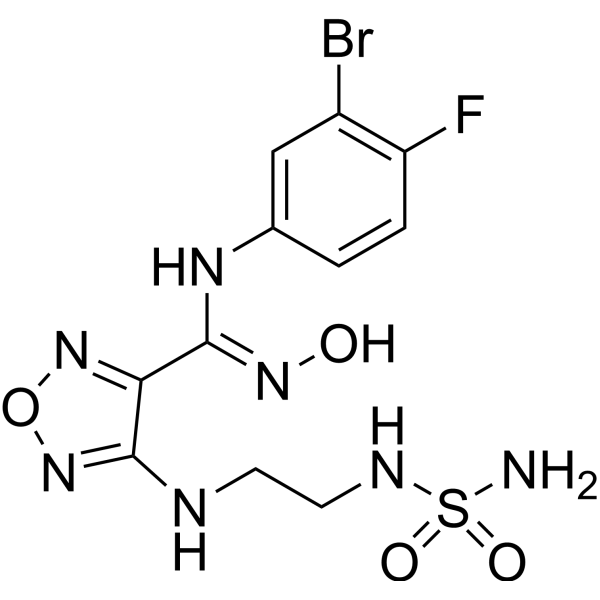 0 ImagesSynonyms: INCB 024360Epacadostat (INCB 024360) is a potent and selective indoleamine 2,3-dioxigenase 1 (IDO1) inhibitor with an IC50 of 71.8 nM. Epacadostat can effectively reduce Trp metabolism, entailing increased activation and maturation of dendritic cells, and enhanced proliferation of effector T cells and natural killer cells (NKs), as well as attenuated Tregs expansion.
-
Palmatine chloride
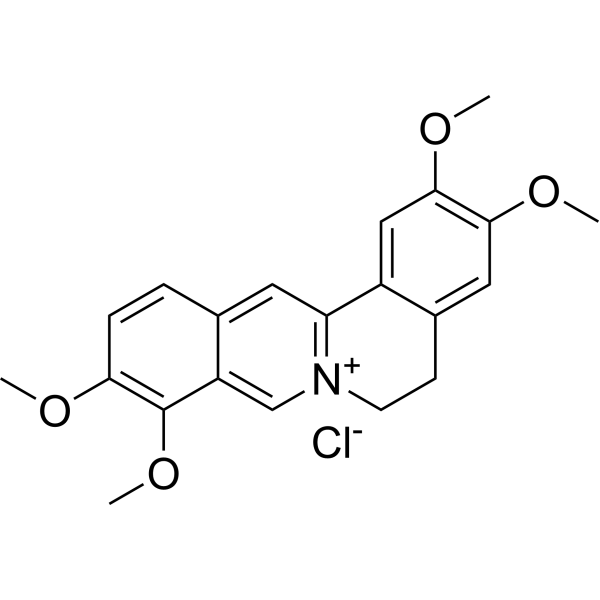 0 ImagesPalmatine chloride is an orally active and irreversible indoleamine 2,3-dioxygenase 1 (IDO-1) inhibitor with IC50s of 3 μM and 157μM against HEK 293-hIDO-1 and rhIDO-1, respectively. Palmatine chloride can also inhibit West Nile virus (WNV) NS2B-NS3 protease in an uncompetitive manner with an IC50 of 96 μM. Palmatine chloride shows anti-cancer, anti-oxidation, anti-inflammatory, neuroprotection, antibacterial, anti-viral activities.
-
Linrodostat
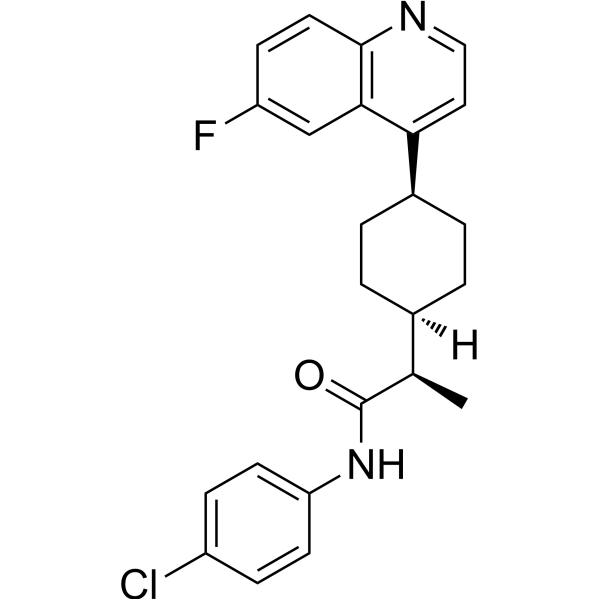 0 ImagesSynonyms: BMS-986205; ONO-7701Linrodostat (BMS-986205) is a selective and irreversible indoleamine 2,3-dioxygenase 1 (IDO1) inhibitor with an IC50 value of 1.1 nM in IDO1-HEK293 cells. Linrodostat is well tolerated with potent pharmacodynamic activity in advanced cancers.
-
PF-06840003
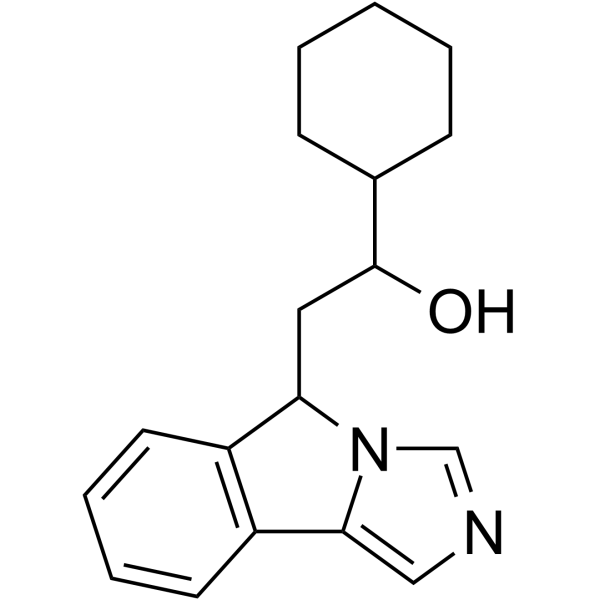
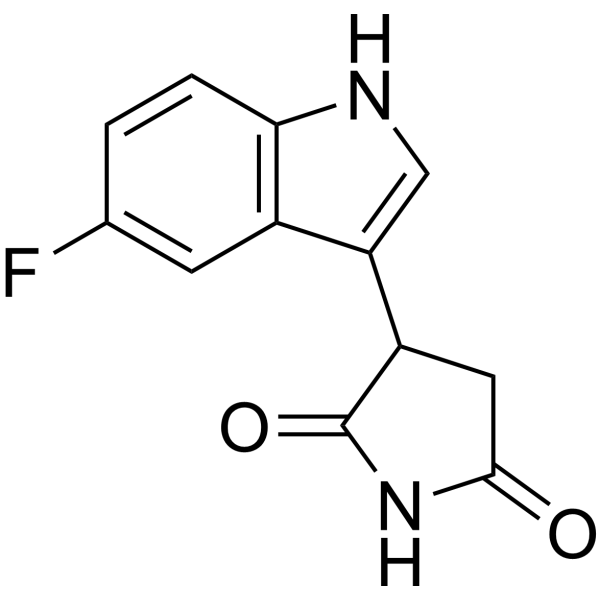 0 ImagesSynonyms: EOS200271PF-06840003 (EOS200271) is a highly selective, orally active and brain-penetrant IDO-1 inhibitor with IC50s of 0.41 μM, 0.59 μM, and 1.5 μM for hIDO-1, dIDO-1, and mIDO-1, respectively.
-
PROTAC IDO1 Degrader-1
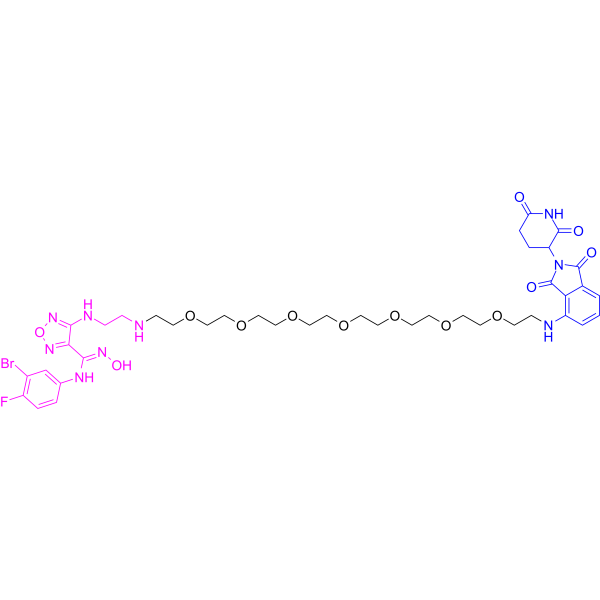 0 ImagesPROTAC IDO1 Degrader-1 is a potent IDO1 (Indoleamine 2,3-dioxygenase 1) PROTAC degrader with a DC50 of 2.84 μM. PROTAC IDO1 Degrader-1 forms a ternary complex with IDO1 and the CRBN E3 ligase, and induces polyubiquitination of IDO1 followed by proteasomal degradation via the ubiquitin-proteasome system. PROTAC IDO1 Degrader-1 is applicable for related research on cancer immunity.
-
NU223612
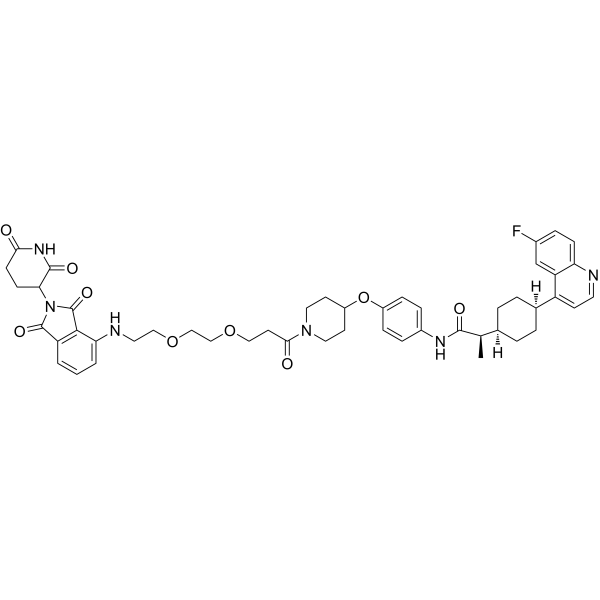 0 ImagesNU223612 is a cereblon (CRBN)-recruiting IDO1 PROTAC degrader, with a DC50 value of 0.329-0.5438 μM against human IDO1, and it is capable of penetrating the blood-brain barrier. NU223612 directly binds to IDO1, mediates the degradation of both wild-type and catalytically inactive mutant IDO1 proteins, and does not degrade TDO2. NU223612 inhibits IDO1-mediated enzymatic activity. NU223612 directly binds to CRBN and promotes the formation of a cooperative ternary complex with IDO1. NU223612 induces ubiquitin-dependent proteasomal degradation of the IDO1 protein. NU223612 suppresses IDO1-mediated non-enzymatic phosphorylation of NF-κB p65 and the DNA-binding activity of downstream transcription factors. NU223612 can be used in studies of glioblastoma (malignant glioma).
-
IDO1/TDO-IN-15
 0 ImagesCat. No.: HY-184129CAS No.: 2413970-98-4IDO1/TDO-IN-15 is a dual IDO1/TDO inhibitor with an IDO1 IC50 of 0.19 μM and a TDO IC50 of 0.37 μM. IDO1/TDO-IN-15 is applicable to the research of cancer and Alzheimer's disease.
-
IDO1/TDO-IN-4
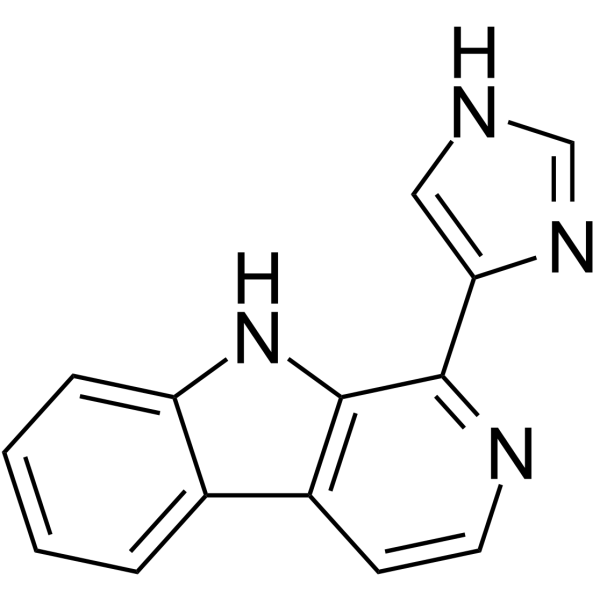 0 ImagesIDO1/TDO-IN-4 is a potent IDO1/TDO dual inhibitor, with IC50 values of 3.53 μM (IDO1) and 1.15 μM (TDO). IDO1/TDO-IN-4 forms hydrogen bond with IDO1, and π−π stacking interaction with TDO. IDO1/TDO-IN-4 can be used in the research of depression, and depression-induced infectious, metabolic, and autoimmune disorders.
-
LY-3381916
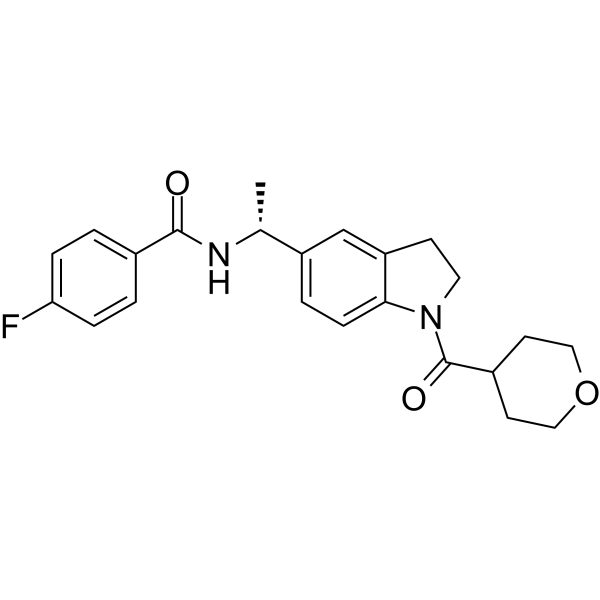 0 ImagesSynonyms: IDO1-IN-5
-
Palmatine hydroxide
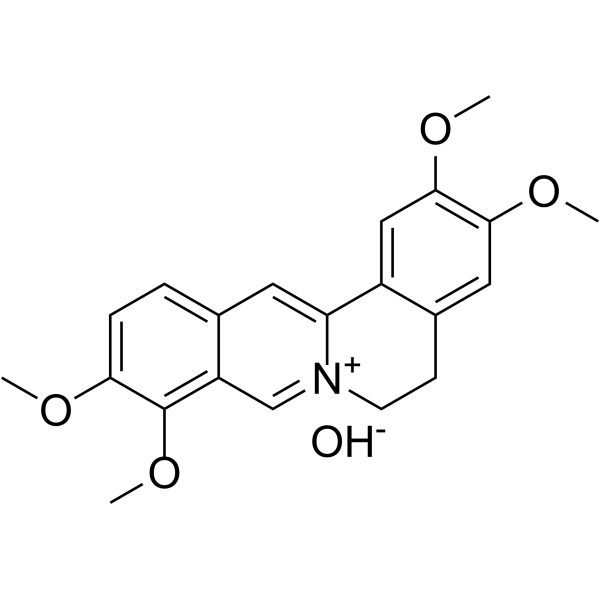 0 ImagesPalmatine hydroxide is an orally active and irreversible indoleamine 2,3-dioxygenase 1 (IDO-1) inhibitor with IC50s of 3 μM and 157μM against HEK 293-hIDO-1 and rhIDO-1, respectively. Palmatine hydroxide can also inhibit West Nile virus (WNV) NS2B-NS3 protease in an uncompetitive manner with an IC50 of 96 μM. Palmatine hydroxide shows anti-cancer, anti-oxidation, anti-inflammatory, neuroprotection, antibacterial, anti-viral activities.
-
DP00477
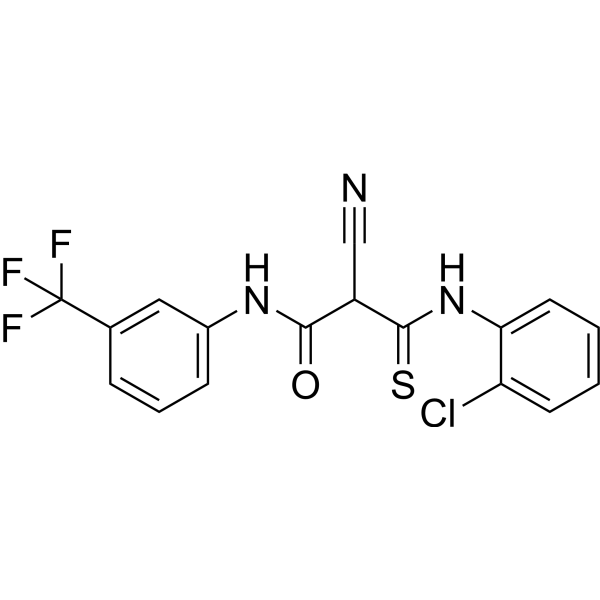 0 ImagesDP00477 is a potent IDO1 (indoleamine 2,3-dioxygenase 1) inhibitor with an IC50 value of 7.0 µM. DP00477 has the potential for the research of cancer.
-
4-Phenyl-1H-1,2,3-triazole
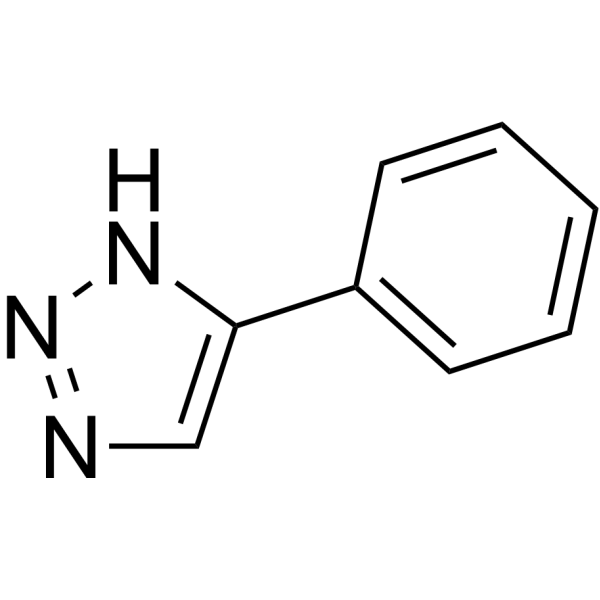 0 Images4-Phenyl-1H-1,2,3-triazole is a selective IDO1 inhibitor with an IC50 of 83 μM against human IDO1. 4-Phenyl-1H-1,2,3-triazole binds to the heme iron of IDO1 and occupies its active site, thereby inhibiting tryptophan catabolism. 4-Phenyl-1H-1,2,3-triazole can serve as a precursor for the synthesis of HIV-1 capsid protein inhibitors. 4-Phenyl-1H-1,2,3-triazole is applicable to research related to cancer and organic synthesis.
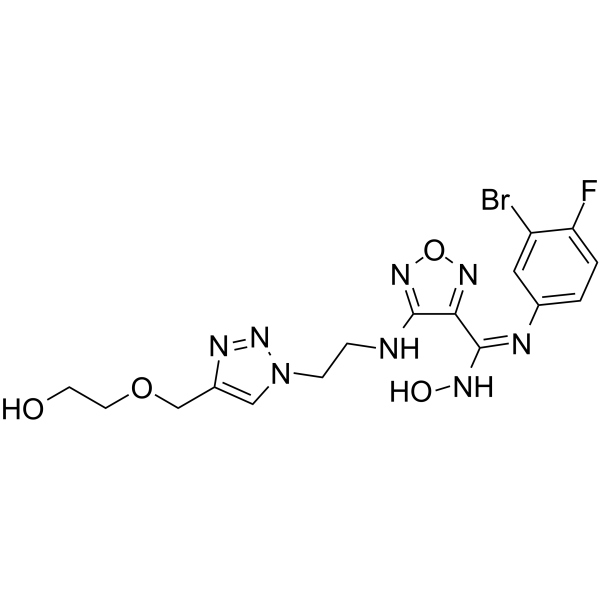
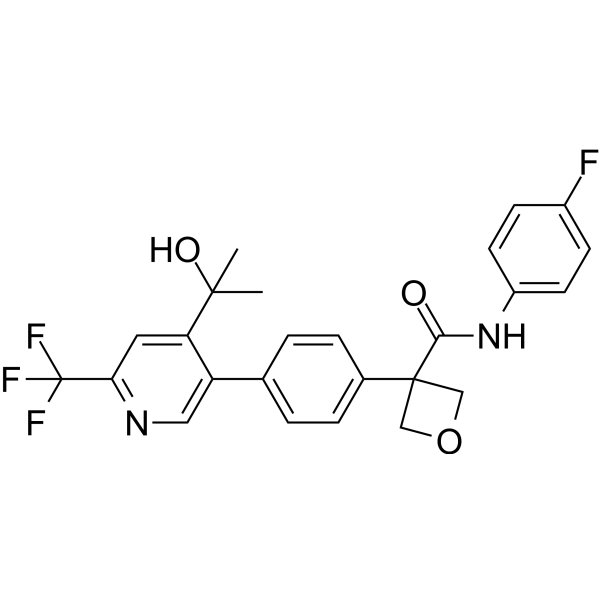

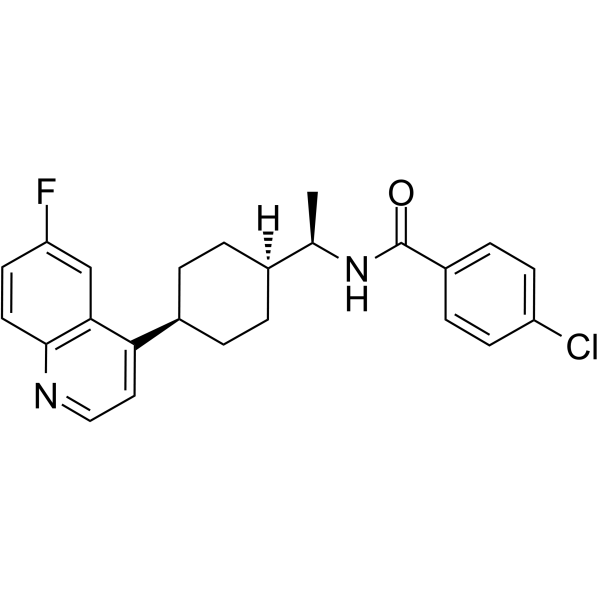
-
IDO2-IN-1
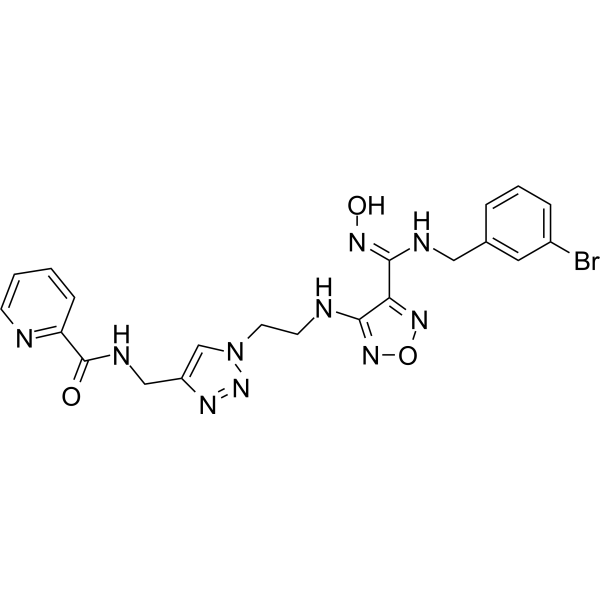 0 ImagesIDO2-IN-1 is an orally active and potent Indoleamine 2,3-dioxygenase 2 (IDO2) inhibitor with an IC50 value of 112 nM. IDO2-IN-1 can be used for inflammatory autoimmunity research.
-
IDO1-IN-28
 0 ImagesIDO1-IN-28 (Compound MQ-1) is a Apo-IDO1 inhibitor with an IC50 of 1.29 μM. IDO1-IN-28 selectively targets apo-IDO1 and disrupts heme binding. IDO1-IN-28 can be used for cancers research.
-
BMS-978587
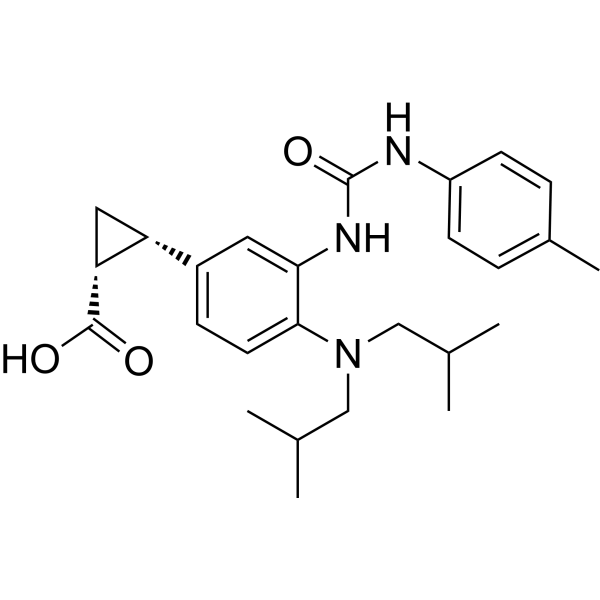 0 ImagesSynonyms: IDO-IN-4BMS-978587 (IDO-IN-4) is an indoleamine 2,3-dioxygenase 1 (IDO-1) inhibitor, extracted from patent WO2014150677A1, Compound example 1 enantiomer 1.



